Maintaining your Seakeeper
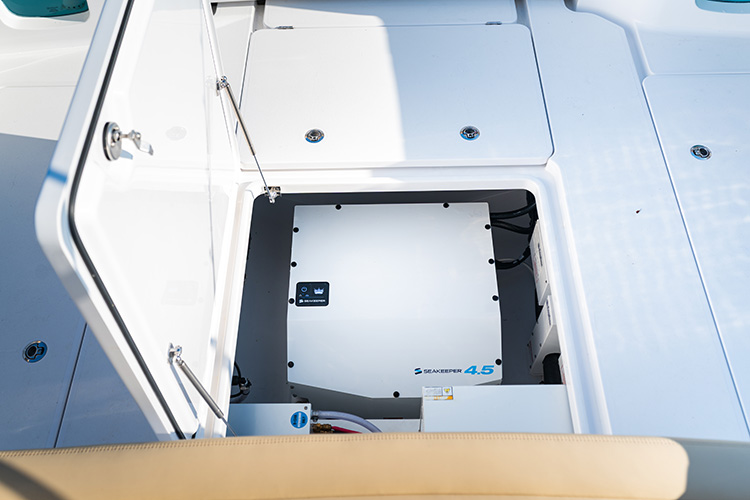
Keeping your Seakeeper in top condition is essential for smooth, stable rides on the water. This guide outlines the key maintenance intervals, inspections, and service recommendations to help extend the life and performance of your Seakeeper Gyro Stabilizer.
Key Takeaways
-
•Because the Seakeeper Gyro Stabilizer comes standard in every Phenom Yachts build, keeping it performing at its best depends on regular maintenance and simple routine visual inspections.
-
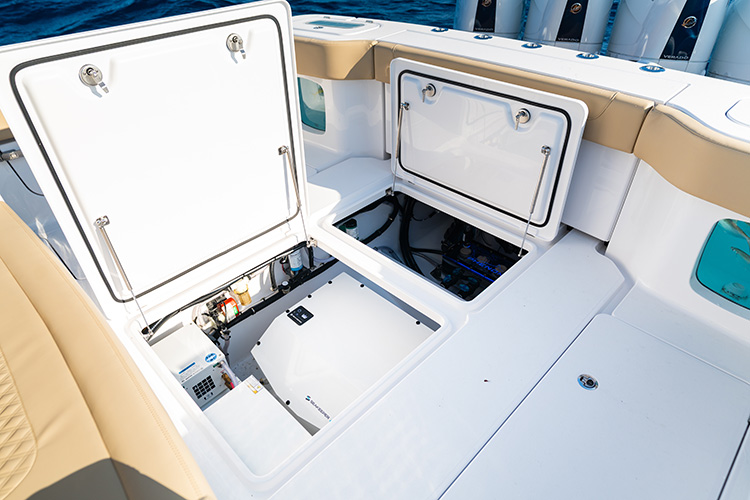
•Every 1000 hours or annually inspect the hydraulic manifold, cylinders and hoses, brake bushings, heat exchanger and cooling hoses, electrical connections and mounting hardware, then clean and descale the heat exchanger and confirm seawater flow and hydraulic oil pressure.
-
•Every 2000 hours flush the glycol cooling circuit and replace the brake bushing and heat exchanger, and lean on the growing network of certified Seakeeper service centers across the country for the work you cannot do yourself.

The Seakeeper Gyro Stabilizer has become a true game changer in the world of boating. Anyone that has experienced the comfort of a Seakeeper understands why Phenom Yachts decided to make it a standard in our build. However, to ensure it continues to perform at its best, regular maintenance is key. Some of the items will need to be addressed by a certified Seakeeper representative but others are simple routine visual inspections. Seakeeper’s growth in popularity has ensured easy access to service centers across the country.
Every 1000 Hours or Annually
• Inspect hydraulic manifold components and fittings.
• Inspect hydraulic cylinders and hoses.
• Inspect brake bushings.
• Inspect heat exchanger and cooling hoses.
• Inspect all electrical connections, cables, and components.
• Inspect all mounting hardware/bolts.
• Clean/Descale heat exchanger.
• Confirm proper seawater flow.
• Confirm hydraulic oil pressure.
Every 2000 Hours
• Flush the glycol cooling circuit (Every 2000 Hours or 5 Years)
• Replace Brake Bushing
• Replace Heat Exchanger
Why Regular Maintenance Matters
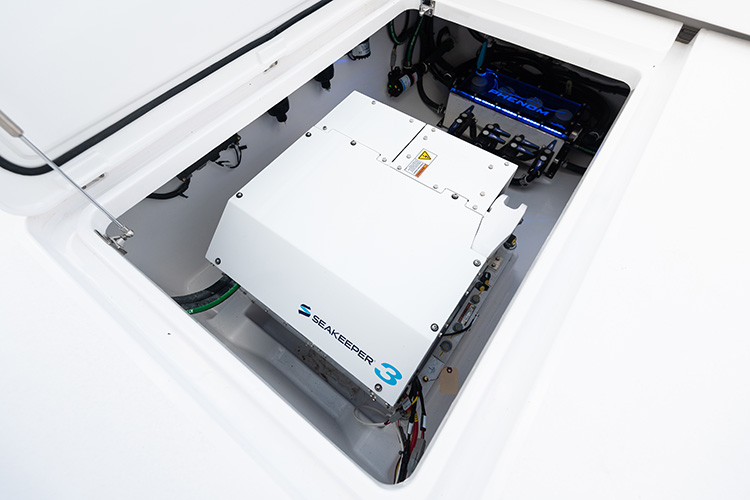
Regular maintenance of your Seakeeper not only ensures peak performance but also extends the lifespan of the unit. Neglecting maintenance could lead to reduced efficiency, costly repairs, or even premature failure. By adhering to these intervals, you will maximize the stabilizer’s effectiveness and continue to enjoy smooth, stable rides on the water.
For detailed instructions and specific servicing recommendations, always refer to your Seakeeper user manual or consult with a certified Seakeeper service professional.