Safely Navigating the ICW with a Larger Center Console
Operating a larger center console on the ICW requires control, awareness and respect for others on the water. Learn how to manage wake, navigate tight waterways and handle traffic safely with a bigger, more powerful boat.
Key Takeaways
-
•Because a larger center console pushes far more water at mid-range speeds, ease off the throttle early near docks seawalls and smaller boats even where no-wake zones are not marked.
-
•Give yourself extra room to maneuver by staying to the starboard side, planning turns ahead and overtaking other vessels gradually with a wide berth.
-
•Slow down and hold a steady predictable course at bridges inlets and narrow cuts where current tide and traffic converge, and give anchored or drifting anglers space to avoid disturbing them with wake and prop wash.

Running the Intracoastal Waterway (ICW) in a larger center console is one of the best ways to cover distance while still enjoying the scenery along the coast. It connects inlets, harbors and coastal towns, making it a go-to route for everything from quick runs to long travel days. But with the added size, weight and power of bigger boats, it’s even more important to operate with awareness and control.
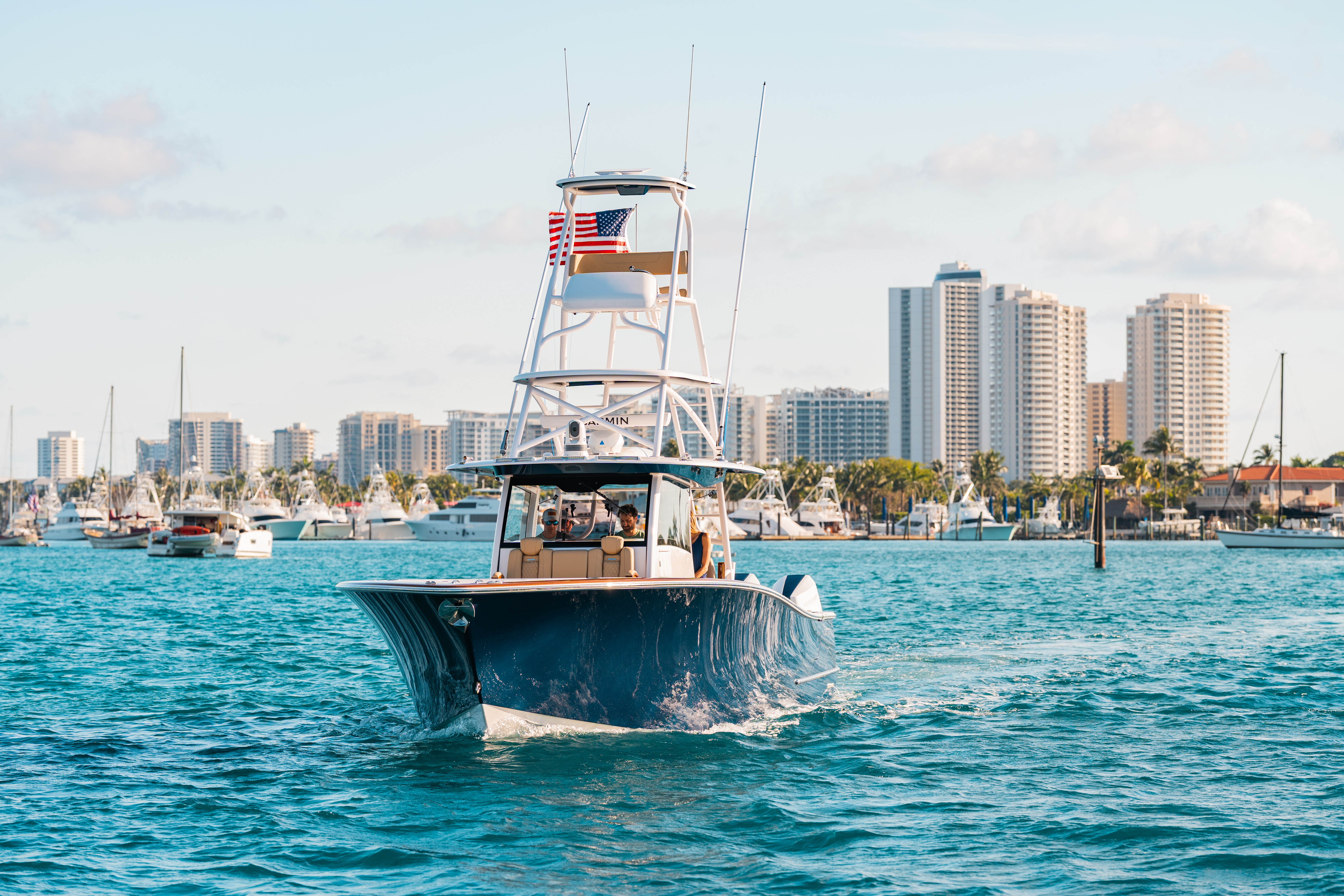
One of the biggest factors to manage is your wake. Larger center consoles push more water, especially at mid-range speeds, and that wake carries a lot more impact. Docks, seawalls and smaller boats are far more affected by it, even outside of marked no-wake zones. Bringing the boat down early and easing through tighter areas shows respect and prevents unnecessary damage.
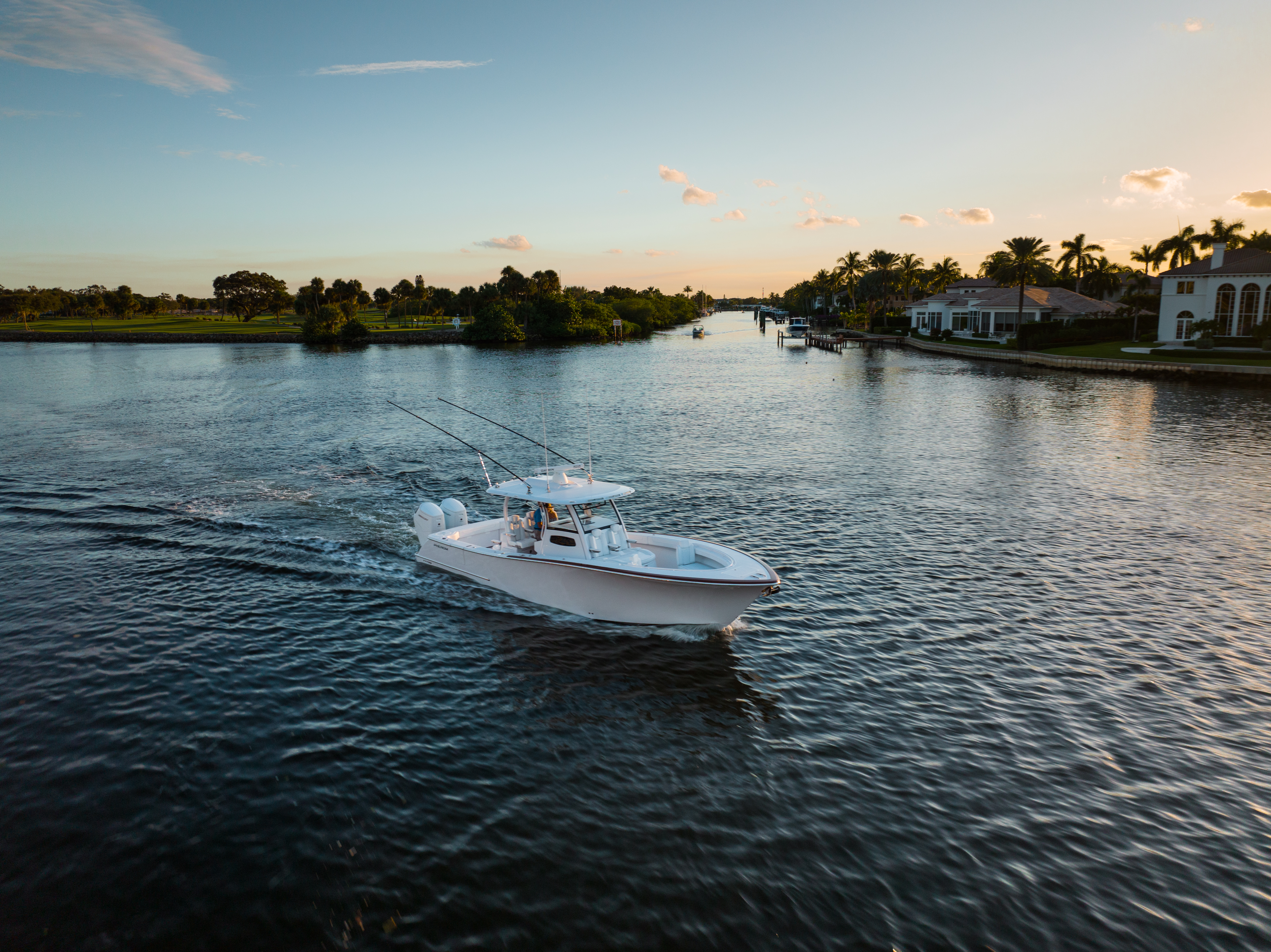
Boat handling also changes as size increases. While these boats are extremely capable, they require more space to maneuver, especially in narrow stretches of the ICW. Staying to the starboard side, planning your turns ahead of time and giving yourself extra room when passing other vessels all help keep things smooth and predictable. When overtaking another boat, do it gradually and give a wide berth to avoid pushing unnecessary wake in their direction.
Traffic management becomes more important as well. The ICW is used by everything from small skiffs and paddleboarders to large yachts and commercial vessels. Bigger boats, including your own, have less ability to react quickly in tight quarters, so maintaining a steady, predictable course helps everyone around you operate more safely. When needed, simple communication over VHF or with hand signals can clear up any uncertainty.
Fishing activity is another constant along the ICW. Anglers may be anchored along channel edges, tucked into creeks or drifting current lines. Giving them space is key, especially when running a larger boat that can create more disturbance with both wake and prop wash.
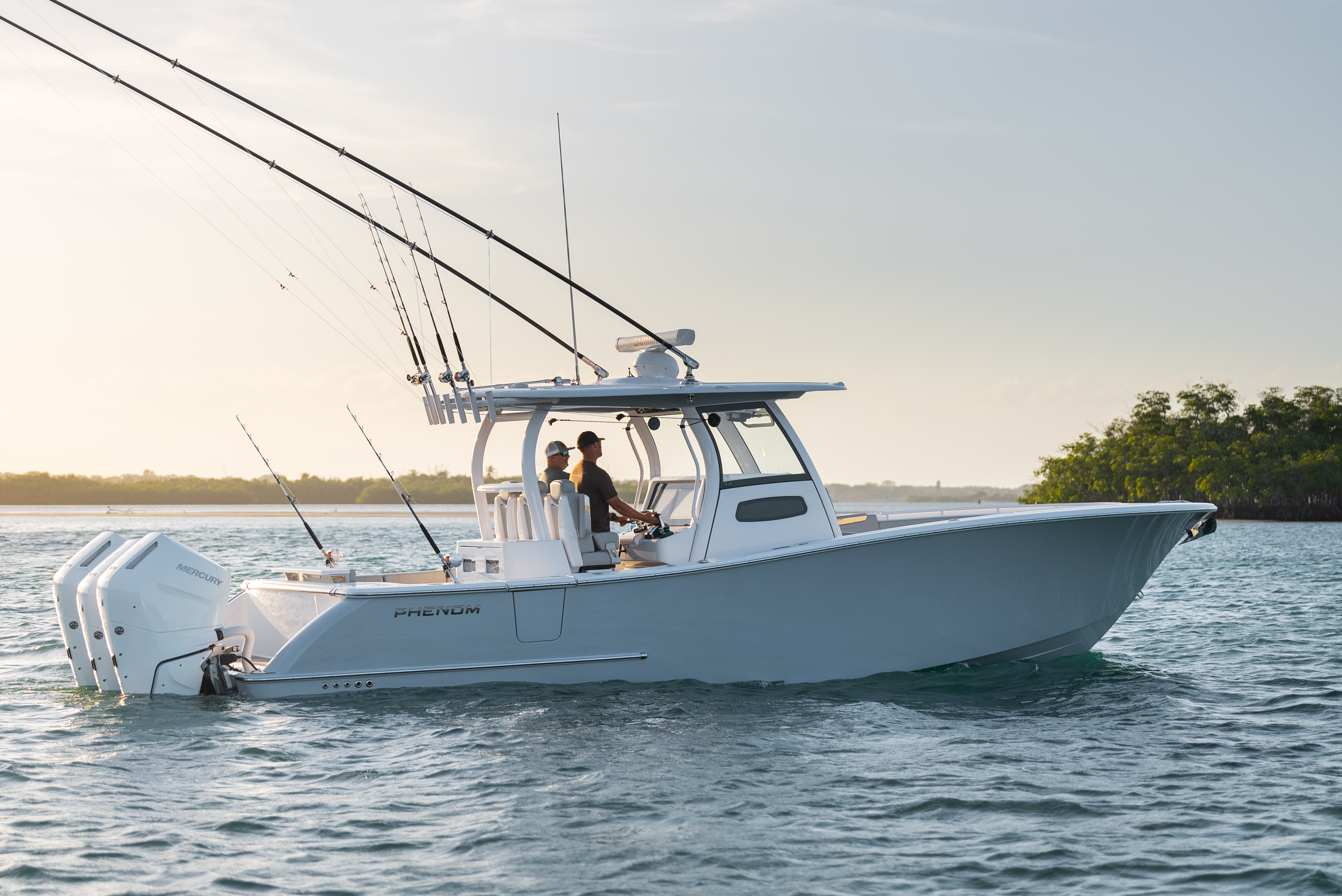
Areas like bridges, inlets and narrow cuts require extra attention. These are natural choke points where current, tide and traffic all come together. Slowing down, staying alert and avoiding abrupt movements helps keep everything under control, especially when operating a heavier, more powerful platform.
Beyond the technical side, there’s also the overall experience. The ICW is meant to be enjoyed. Smooth operation, controlled speeds and a respectful approach go a long way toward making the day better for everyone on the water.
Running a larger center console through the ICW isn’t complicated, but it does require intention. Stay aware, manage your speed and think ahead, and you’ll find it’s one of the best ways to move comfortably and confidently along the coast.